This website uses cookies to ensure you get the best experience on our website. Read policy

Transparent LED Film Without Frame **Enquire Quote**
Out of stock
SKU
Transparent LED Film Without Frame **Enquire Quote**
$0.00
hidden0416962777
hiddenauroradisplay.com.au@gmail.com
Transparent LED Film Screen
Ultra-Thin, Self-Adhesive Digital Display for Glass Surfaces
Transparent LED Film converts ordinary glazing into an eye-catching digital display while preserving natural light and visibility through the glass. The LED pixels and conductive circuits are integrated into a slim transparent layer that bonds directly to the glass, eliminating the need for bulky cabinets or heavy support frames. |
Product Overview
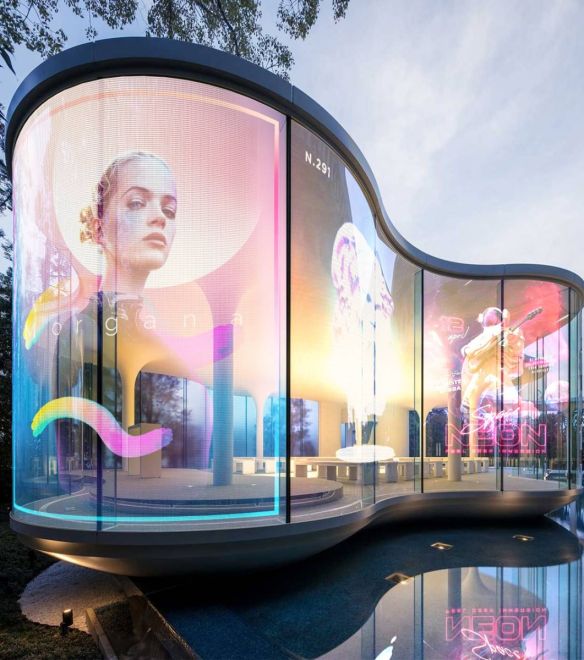
Designed for retail windows, glass partitions, showrooms and architectural glazing, Transparent LED Film provides a practical way to add motion graphics, promotional content and branded visuals to existing glass surfaces.
The film connects to a dedicated power and control system and can be configured as a single display area or combined across multiple glass panels. Typical configurations are available in 3.94 mm and 7.86 mm pixel pitch, allowing the display to be selected according to viewing distance, transparency and image-detail requirements.
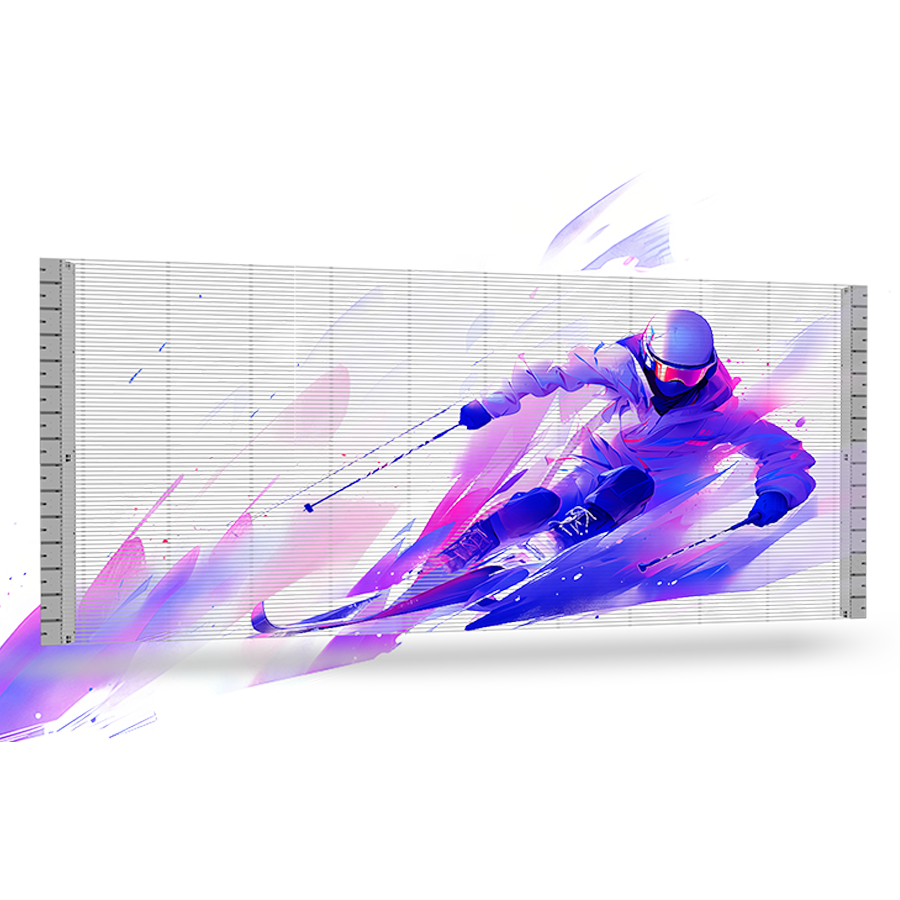
Transparent LED Film vs. Modular Transparent LED Screens
Consideration | Transparent LED Film | Modular Transparent LED Screen |
Installation | Adheres directly to existing glass with minimal framing. | Rigid LED modules are mounted in a structural frame behind or within the glazing. |
Profile & Weight | Very slim and lightweight, suitable for discreet retrofit projects. | Heavier and deeper, with more visible hardware and service space. |
Best Suited For | Shop windows, partitions, showrooms and locations where the original glass appearance should be retained. | Large façades, high-brightness applications and very large display areas. |
Maintenance Access | Front-accessible film sections and compact control components. | Service access is typically required around cabinets, frames and power systems. |
Key Features and Benefits
High Transparency Typical light transmission is approximately 80–95%, depending on the model and pixel pitch, allowing daylight and sightlines to remain largely unobstructed. | Direct-to-Glass Installation The self-adhesive construction enables installation on suitable existing glass without a large steel support structure. |
Ultra-Thin Construction A typical film thickness of around 4 mm creates a clean, low-profile appearance that integrates naturally with contemporary glazing. | Lightweight Design Low film and module weight simplifies handling, reduces structural load and makes the system well suited to retrofit applications. |
Wide Viewing Angle Viewing angles of up to approximately 160° help maintain content visibility from multiple directions. | UV and Flame-Resistant Materials UV-resistant components help reduce yellowing and degradation, while flame-retardant construction supports commercial installation requirements. |
Typical Product Parameters
Parameter | Typical Range / Option |
Pixel pitch | 3.91 mm or 7.84 mm |
Transparency | Approximately 80–95%, model dependent |
Film thickness | Approximately 4.0 mm |
Viewing angle | Up to approximately 160° |
Typical weight | Around 2–4 kg/m², depending on module and configuration |
Installation surface | Suitable flat glass surfaces, subject to site assessment |
Where Transparent LED Film Works Best
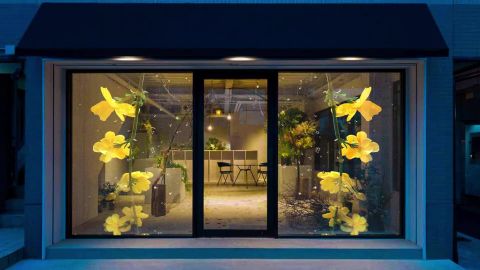
• Retail and Storefront Windows: Promotions, product launches and seasonal campaigns can be displayed on the glass without hiding merchandise or the store interior.
• Showrooms and Brand Environments: Dynamic content can be integrated into automotive, property, furniture and technology showrooms while preserving an open visual layout.
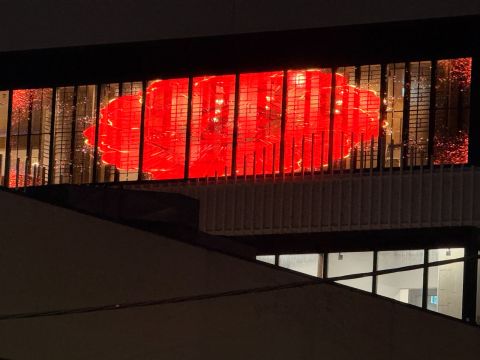
• Glass Façades and Atriums: Large glazed areas can become architectural media surfaces for branding, information and visual effects.
• Exhibitions, Museums and Events: Transparent digital layers can be combined with physical exhibits, stage sets and event environments to create immersive presentations.
Installation Approach
• 1. Site and Glass Assessment: Confirm glass dimensions, condition, orientation, access, power availability and the intended viewing distance.
• 2. Display Layout and Module Planning: Define the active display area, pixel pitch, controller position and cable routes while maintaining a balanced visual layout on the glazing.
• 3. Surface Preparation: Thoroughly clean and prepare the glass to ensure reliable adhesion and a smooth final finish.
• 4. Film Application and Electrical Connection: Apply the film sections to the glass, connect power and data components, and secure control hardware in an accessible position.
• 5. Testing, Calibration and Content Setup: Check alignment, colour, brightness and playback before commissioning the display and loading final media content.
Alternative Transparent Display Solutions
Where a different brightness level, screen size or installation method is required, Aurora Display can also provide modular transparent LED displays, transparent LCD displays, indoor LED screens, outdoor LED screens. The most suitable technology depends on viewing distance, ambient light, structural constraints and the required transparency level.
Frequently Asked Questions
How is the film attached to the glass?
A transparent self-adhesive layer allows the LED film to bond directly to suitable existing glazing. This reduces the need for large frames or heavy mounting hardware.
Will the screen block the view through the window?
The display remains highly transparent when dark or lightly populated content is shown. Transparency is typically around 80–95%, although the perceived result depends on pixel pitch, content brightness and ambient lighting.
Is it suitable for sun-facing glass?
The film uses UV-resistant materials intended to reduce yellowing and support long-term installation. The final model should still be selected according to heat load, glass type and site conditions.
How durable is the film?
The product is designed for commercial display use and incorporates UV-resistant and flame-retardant materials. Correct installation, cleaning and environmental control are important for long service life.
How do I choose between 3.94 mm and 7.86 mm pixel pitch?
A finer pixel pitch generally provides more image detail at closer viewing distances, while a wider pitch may offer a lighter visual structure and is well suited to larger viewing distances.