This website uses cookies to ensure you get the best experience on our website. Read policy
hidden0416962777
hiddenauroradisplay.com.au@gmail.com
hidden

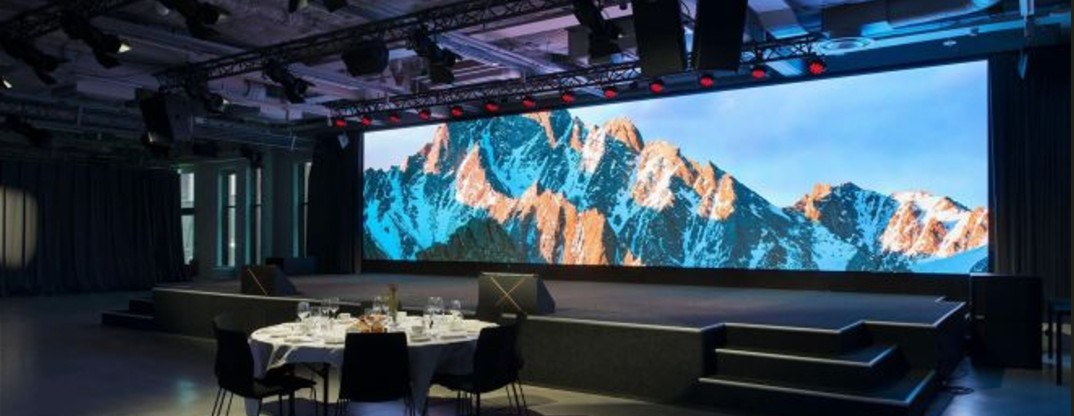
Indoor LED Screens for Seamless High-Resolution Digital Displays
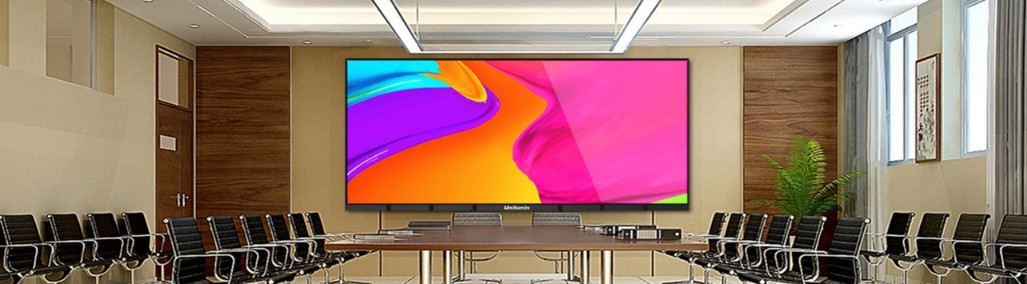
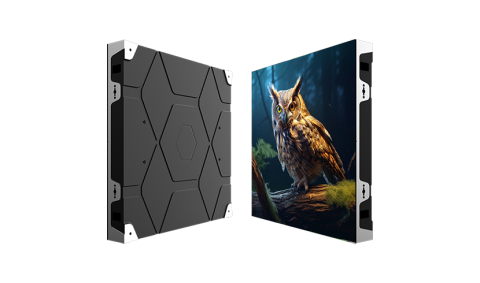
Create a large, bright and completely seamless digital canvas with Aurora Display’s indoor LED screens. Designed for retail stores, shopping centres, corporate spaces, showrooms, hospitality venues, event spaces and high-impact commercial environments, our modular LED displays deliver vibrant colour, smooth video and flexible screen sizes without the visible bezels found on conventional LCD video walls.
Available in P2.5, P2, P1.83, P1.53, P1.2 and P0.8 pixel pitches, the range can be tailored to the closest viewing distance, required resolution, screen dimensions and project budget. Finer pixel pitches provide greater image detail at close range, while larger pitches offer excellent value for bigger screens viewed from further away.
· P2.5, P2, P1.83, P1.53, P1.2 and P0.8 fine-pitch indoor options
· Seamless modular LED canvas with no LCD-style bezel lines
· High refresh rate for smooth video and camera-friendly performance
· Wide viewing angle and strong colour consistency
· Custom screen sizes and 16:9-friendly configurations
· Front-service cabinet options for shallow wall installations
· Control system, content setup and installation support available
CTA: Request a Quote • Discuss Your Project • Ask Us Which Pixel Pitch Is Right for Your Site |
Why Choose an Indoor LED Screen?
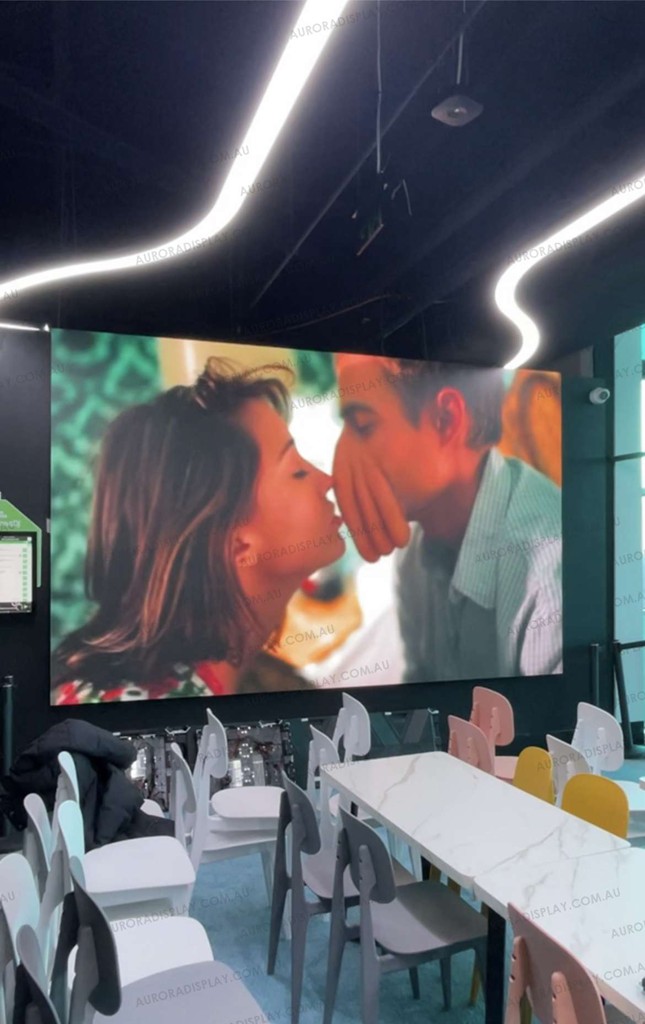
Indoor LED technology is ideal when a project requires a large-format image, high visual impact and flexible dimensions. The screen is assembled from modular LED cabinets that join together to form one continuous display surface. Because there are no visible bezel lines between panels, video, graphics and text can flow naturally across the entire screen.
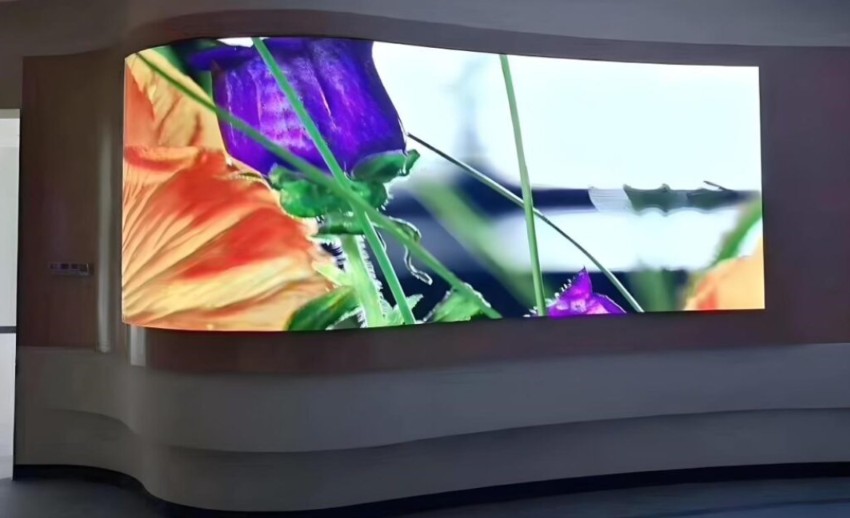
Unlike a fixed-size television or LCD display, an LED video wall can be engineered around the architecture. It can be wide, tall, panoramic, 16:9, portrait or integrated into a custom feature wall. The result is a digital display that can become part of the interior design rather than simply being mounted onto it.
Key Benefits
· Seamless image – no visible LCD bezel grid interrupting the content.
· Scalable size – modular cabinets can be combined into large custom dimensions.
· Fine-pitch clarity – P1.53, P1.2 and P0.8 are suitable for close-view, detail-critical applications.
· High brightness – stronger visual impact than many conventional indoor display technologies, especially in bright commercial interiors.
· Wide viewing angle – suitable for open retail floors, lobbies, showrooms and high-traffic spaces.
· Flexible content – display video, animation, advertising, dashboards, presentations, wayfinding and live feeds.
· Serviceable design – LED modules, power supplies and receiving cards can be replaced individually.
· Long-term platform – content can be updated without changing the physical sign or display surface.
Indoor LED Screen Features
Fine Pixel Pitch & High Resolution
Smaller pixel pitch places more pixels into every square metre. This improves text sharpness, facial detail and fine graphics, allowing premium LED walls to be viewed comfortably from much closer distances.
Seamless Large-Format Image
LED cabinets align edge-to-edge to create a continuous image with no visible mullions or LCD bezel lines. This makes LED particularly effective for panoramic branding, large video, immersive content and architectural feature walls.
High Refresh Rate
Commercial indoor LED systems are commonly specified at 3,840 Hz or higher. High refresh rates improve motion smoothness and reduce scan lines or flicker when the display is photographed, filmed or used in presentation and broadcast-style environments.
High Contrast & Low-Brightness Performance
Modern fine-pitch LED displays use black-face LEDs, advanced driver ICs and high grey-scale processing to retain detail in dark scenes and gradients even when brightness is reduced for comfortable indoor viewing.
Wide Viewing Angle
Contemporary SMD and fine-pitch LED packages can maintain strong colour and brightness from wide horizontal and vertical viewing positions, helping content remain consistent across large rooms and open spaces.
Front-Service Modular Design
Many indoor cabinets allow LED modules, receiving cards and power supplies to be serviced from the front. This can significantly reduce the depth of wall-mounted installations where rear access is unavailable.
Flexible Screen Size & Aspect Ratio
Modular cabinet systems can be arranged into standard 16:9 formats or custom dimensions to suit wall openings, counters, columns, stage sets and architectural features.
Professional Content Control
Indoor LED walls can be paired with video processors, media players and networked signage systems for scheduled content, live inputs, multi-window layouts and remote updates.
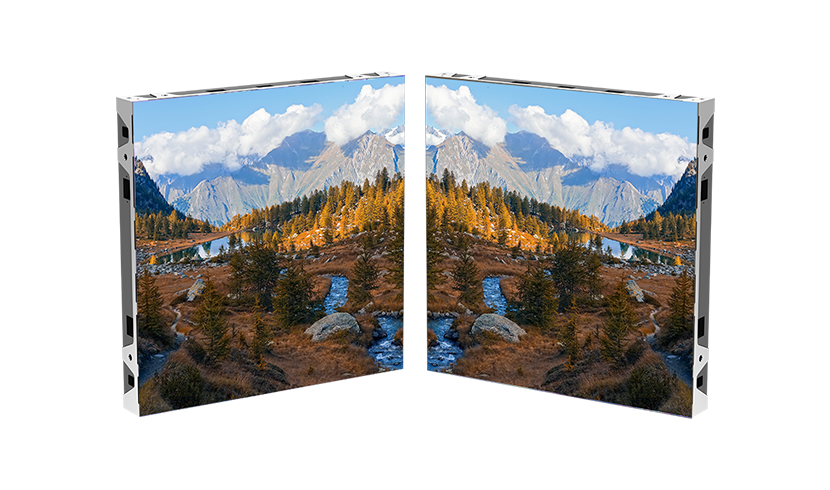
P2.5 vs P2 vs P1.83 vs P1.53 vs P1.2 vs P0.8 – What Is the Difference?
The “P” number is the pixel pitch: the centre-to-centre distance between adjacent LED pixels, measured in millimetres. A smaller number means the pixels are closer together, which increases pixel density and allows the screen to show more detail at the same physical size.
For a fixed screen area, moving from P2.5 to P0.8 dramatically increases the number of LED pixels and data channels. The image becomes finer at close range, but the hardware and processing requirements also increase. The best choice is therefore based on real viewing distance and content requirements rather than simply choosing the smallest pitch available.
Option | Nominal Pixel Pitch | Approx. Pixel Density | Practical Close-View Guide* | Best Suited To |
P2.5 | 2.5 mm | 160,000 pixels/m² | ≈ 2.5 m | Large retail walls, stages, shopping centres, hospitality and cost-effective large-format indoor screens |
P2 | 2.0 mm | 250,000 pixels/m² | ≈ 2.0 m | Commercial feature walls, showrooms, corporate spaces and mixed close/medium viewing |
P1.83 | 1.83 mm | ≈ 299,000 pixels/m² | ≈ 1.8 m | Premium retail, boardrooms, brand centres and detailed content viewed from relatively close range |
P1.53 | 1.53 mm | ≈ 427,000 pixels/m² | ≈ 1.5 m | High-resolution boardrooms, control rooms, luxury retail, broadcast-style spaces and premium close-view applications |
P1.2 | 1.2 mm | ≈ 694,444 pixels/m² | ≈ 1.2 m | Executive boardrooms, control rooms, studios, luxury retail and ultra-fine close-view LED walls |
P0.8 | 0.8 mm | ≈ 1,562,500 pixels/m² | ≈ 0.8 m | Ultra-premium close-view displays, command centres, broadcast, virtual production and high-detail presentation environments |
*Viewing distance is a practical guide rather than a hard limit. Perceived quality also depends on screen size, content, audience movement, brightness and individual visual acuity.
Resolution Example: 4.0 m × 2.25 m (16:9) Screen
The example below illustrates why pixel pitch matters. Final LED resolutions must align with the exact cabinet/module grid, so project resolutions may differ slightly from the mathematical values shown.
Pixel Pitch | Approx. Resolution | Approx. Total Pixels | Visual Character |
P2.5 | 1600 × 900 | 1.44 million | Excellent large-format indoor advertising and presentation image |
P2 | 2000 × 1125 | 2.25 million | Sharper text and detail for closer commercial viewing |
P1.83 | ≈ 2186 × 1230 | ≈ 2.69 million | Fine detail and premium close-range presentation |
P1.53 | ≈ 2614 × 1471 | ≈ 3.84 million | Very fine detail for premium close-view environments |
P1.2 | ≈ 3333 × 1875 | ≈ 6.25 million | Ultra-fine detail for close-view premium presentation |
P0.8 | ≈ 5000 × 2813 | ≈ 14.06 million | Extremely fine detail for very close viewing and high-resolution content |
Quick guide: a finer pitch is most valuable when viewers are close enough to see the additional detail. If the audience is several metres away, a larger-pitch screen can often deliver the same perceived quality at a lower project cost. |
Approximate Screen Size Required for 2K Full-HD
A 2K Full-HD LED wall contains approximately 1920 × 1080 physical pixels. Because LED resolution is determined by pixel pitch and physical dimensions, a finer pitch reaches 4K at a smaller overall screen size.
Pixel Pitch | Approx. 2K Active Width | Approx. 2K Active Height |
P2.5 | 4.80 m | 2.70 m |
P2 | 3.84 m | 2.16 m |
P1.83 | ≈ 3.53 m | ≈ 1.95 m |
P1.53 | ≈ 2.88 m | ≈ 1.67 m |
P1.2 | ≈ 2.42 m | ≈ 1.28 m |
P0.8 | ≈ 1.45 m | ≈ 0.98 m |
These are theoretical active-area dimensions. The actual finished size depends on the selected cabinet/module dimensions and native pixel map.
Proposed Technical Specification
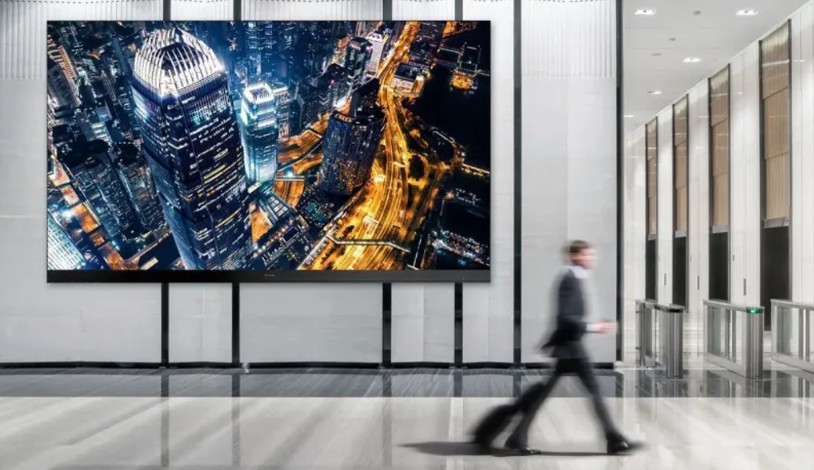
The table below is a publish-ready benchmark for Aurora Display’s indoor cabinet LED range. Exact specifications vary with LED package, cabinet design, driver IC, receiving card, brightness version and supplier. Final guaranteed values should always be taken from the selected model datasheet.
Parameter | P2.5 | P2 | P1.83 | P1.53 |
LED Technology | Indoor SMD / fine-pitch RGB | Indoor SMD / fine-pitch RGB | Indoor SMD / fine-pitch RGB | Indoor GOB / fine-pitch RGB |
Nominal Pixel Pitch | 2.5 mm | 2.0 mm | 1.83 mm | 1.53 mm |
Approx. Pixel Density | 160,000 px/m² | 250,000 px/m² | ≈299,000 px/m² | ≈427,000 px/m² |
Typical Brightness | 600–1,000+ nits | 600–1,000+ nits | 500–1,000+ nits | 500–1,000+ nits |
High-Brightness Options | Available on selected models | Available on selected models | Available on selected models | Available on selected models |
Refresh Rate | ≥3,840 Hz | ≥3,840 Hz | ≥3,840 Hz | ≥3,840 Hz |
Grey Scale / Processing | 14–16 bit typical | 14–16 bit typical | 14–16 bit typical | 14–16 bit typical |
Typical Contrast Ratio | ≈3,000:1–8,000:1+ | ≈3,000:1–8,000:1+ | ≈3,000:1–8,000:1+ | ≈3,000:1–8,000:1+ |
Viewing Angle | Approx. 140–160° H/V | Approx. 140–160° H/V | Approx. 140–160° H/V | Approx. 140–160° H/V |
Typical Max Power | ≈300–350 W/m² | ≈300–350 W/m² | ≈300–350 W/m² | ≈300–350 W/m² |
Typical Average Power | ≈100–150 W/m² | ≈100–150 W/m² | ≈100–150 W/m² | ≈100–150 W/m² |
Input Power | AU 230–240 V AC system design | AU 230–240 V AC system design | AU 230–240 V AC system design | AU 230–240 V AC system design |
Operating Temperature | Typically -10°C to +40°C | Typically -10°C to +40°C | Typically -10°C to +40°C | Typically -10°C to +40°C |
Service Access | Front / Rear options | Front / Rear options | Front / Rear options | Front / Rear options |
Cabinet Construction | Die-cast aluminium / modular | Die-cast aluminium / modular | Die-cast aluminium / modular | Die-cast aluminium / modular |
Typical Cabinet Formats | 500×500 / 500×1000 mm or project-specific | 500×500 / 500×1000 mm or project-specific | 500×500 / fine-pitch 16:9 formats | 500×500 / fine-pitch 16:9 formats |
Control | Synchronous processor / media player | Synchronous processor / media player | Synchronous processor / media player | Synchronous processor / media player |
Additional Ultra-Fine-Pitch Specifications
Parameter | P1.2 | P0.8 |
LED Technology | Indoor ultra-fine-pitch GOB | Indoor ultra-fine-pitch GOB |
Nominal Pixel Pitch | 1.2 mm | 0.8 mm |
Approx. Pixel Density | ≈694,444 px/m² | ≈1,562,500 px/m² |
Typical Brightness | 500–1,000+ nits | 500–1,000+ nits |
High-Brightness Options | Available on selected models | Available on selected models |
Refresh Rate | ≥3,840 Hz | ≥3,840 Hz |
Grey Scale / Processing | 14–16 bit typical | 14–16 bit typical |
Typical Contrast Ratio | ≈3,000:1–8,000:1+ | ≈3,000:1–8,000:1+ |
Viewing Angle | Approx. 140–160° H/V | Approx. 140–160° H/V |
Typical Max Power | ≈300–350 W/m² | ≈300–350 W/m² |
Typical Average Power | ≈100–150 W/m² | ≈100–150 W/m² |
Input Power | AU 230–240 V AC system design | AU 230–240 V AC system design |
Operating Temperature | Typically -10°C to +40°C | Typically -10°C to +40°C |
Service Access | Front / Rear options | Front / Rear options |
Cabinet Construction | Die-cast aluminium / modular | Die-cast aluminium / modular |
Typical Cabinet Formats | Fine-pitch 16:9 / project-specific | Ultra-fine-pitch 16:9 / project-specific |
Control | Synchronous processor / media player | Synchronous processor / media player |
Benchmark ranges are based on current commercial indoor/fine-pitch products from major LED manufacturers and are not a substitute for Aurora’s final project-specific datasheet.
Indoor LED vs LCD Video Wall
Both technologies can create large digital displays, but they behave differently. LCD video walls are built from complete flat-panel displays and therefore retain physical bezels between panels. Direct-view LED is assembled from LED modules, allowing the image surface to appear visually continuous.
Criteria | Indoor LED Screen | LCD Video Wall |
Visible joins | Seamless visual surface | Bezel lines remain visible between panels |
Custom sizing | Highly flexible modular dimensions | Limited to LCD panel dimensions |
Large-format scalability | Excellent | Possible, but bezel grid becomes more noticeable |
Brightness | High and scalable by model | Good; high-brightness models available |
Close-view detail | Excellent with fine pitch such as P1.2/P0.8 | Very high native pixel density |
Service approach | Modules and electronics serviceable individually | Whole LCD panel may need replacement |
Creative formats | Wide, tall, custom, curved on selected systems | Primarily flat rectangular grids |
Modular Cabinet Design
An indoor LED wall is built from repeatable LED cabinets, with each cabinet containing smaller LED modules plus receiving and power electronics. This modular architecture makes it possible to create large screens while keeping installation and maintenance practical.
· Custom screen dimensions – combine cabinets to match the available wall or architectural opening.
· Precise alignment – die-cast cabinet structures help maintain a flat, consistent LED surface.
· Front maintenance – magnetic or front-removable modules can reduce wall depth and eliminate the need for a rear corridor.
· Component-level service – modules, receiving cards and power supplies can be replaced separately.
· Spare-part strategy – keeping matched spare modules helps maintain colour consistency over the life of the display.
· 16:9 engineering – selected fine-pitch cabinet families are designed around 16:9 building blocks for Full HD and 4K walls.
Installation Methods
The installation method should be selected around the wall structure, screen size, maintenance access, finished appearance and whether the screen is permanent or temporary. Aurora Display can configure the cabinet layout to suit the intended mounting method and available space.
Wall-Mounted / Front-Service Installation
A steel or aluminium support frame is fixed to the structural wall, and the LED cabinets are aligned on the frame. Front-service cabinets are especially useful where the display must sit close to the finished wall and there is no rear maintenance corridor.
Recessed / Flush Architectural Integration
The LED wall is built into a prepared opening so the active display sits flush or nearly flush with surrounding finishes. This is common in premium retail, corporate lobbies and feature walls. Ventilation, tolerances and service access must be designed before fabrication.
Freestanding Floor Structure
The LED cabinets are mounted to an engineered freestanding frame. This is useful in showrooms, exhibitions, temporary activations, stages or sites where the existing wall cannot carry the display load.
Suspended / Hanging Installation
Selected cabinet systems can be hung from rated overhead structure or truss. Hanging systems are common for events, stages, atriums and commercial spaces where floor space must remain clear.
Stage / Rental-Style Stack or Hang
Fast-locking die-cast cabinets can be configured for temporary events, presentations and production environments. The final system requires the correct hanging bars, stacking supports and safety hardware for the selected cabinet family.
Custom Feature-Wall Integration
LED can be incorporated into joinery, columns, counters, stage sets and branded architectural structures. Custom shapes require early coordination of cabinet increments, viewing angle, ventilation and access panels.
Typical Installation Process
1. Site assessment – confirm screen location, finished dimensions, wall construction, closest viewing distance and ambient light.
2. Pixel pitch selection – choose P2.5, P2, P1.83, P1.53, P1.2 or P0.8 according to viewing distance, content detail and budget.
3. Screen engineering – convert the desired dimensions into a cabinet/module grid and confirm native resolution.
4. Support structure design – determine wall frame, freestanding structure, suspension system or recessed enclosure.
5. Electrical and data planning – confirm dedicated power circuits, isolation, controller location, network and signal routes.
6. Cabinet installation and alignment – install the supporting system and level the LED cabinets to create a consistent visual plane.
7. Controller mapping – configure sending/receiving hardware and map the content canvas to the installed pixel resolution.
8. Calibration and testing – check colour, brightness, uniformity, dead pixels, content playback and service access.
9. Handover – provide control guidance, spare-part information and recommended maintenance procedures.
Important: permanent indoor LED installations still require proper structural support, electrical design, ventilation and safe access. Project requirements should be coordinated with appropriately qualified trades and any approvals applicable to the site. |
Content & Control Options
The LED wall is only one part of the complete visual system. A controller or video processor receives content from a computer, media player or AV system and maps that content to the physical LED pixels. Depending on the project, the display can operate as a digital-signage screen, presentation wall, live-video surface or multi-source canvas.
· Scheduled advertising and promotional playlists
· Static images, animated graphics and full-motion video
· HDMI and other live video inputs through a compatible processor
· Full-screen or multi-window layouts
· Local media player or network/cloud-managed signage workflows
· Remote content updates, depending on the selected player and network architecture
· Brightness presets for different operating periods
· Monitoring functions available with compatible LED control platforms
Typical Applications
· Retail stores, fashion stores and shopping centres
· Corporate lobbies, boardrooms and presentation spaces
· Car dealerships, showrooms and brand experience centres
· Hospitality venues, bars, restaurants and entertainment spaces
· Exhibitions, trade shows and event stages
· Sports venues, arenas and indoor concourses
· Control rooms and monitoring environments
· Broadcast-style studios and content production spaces
· Museums, galleries, attractions and visitor centres
· Education, campuses and large multipurpose spaces
Maintenance & Serviceability
A well-designed indoor LED wall should allow routine service without dismantling the entire display. Service strategy should be decided before installation because it affects cabinet type, frame depth, access panels and surrounding finishes.
· Front-service systems allow LED modules and internal electronics to be removed from the viewing side.
· Rear-service systems can be useful where a dedicated maintenance corridor or equipment room is available.
· Keep matched spare LED modules from the same production batch where colour consistency is critical.
· Retain controller configuration files and screen mapping backups for fast recovery after hardware replacement.
· Inspect power connections, data cabling, ventilation paths, cabinet alignment and structural fixings periodically.
· Avoid harsh cleaning chemicals on the LED surface; use the cleaning method approved for the selected module type.
Frequently Asked Questions
What is an indoor LED screen?
An indoor LED screen is a direct-view display made from modular RGB LED panels. Multiple cabinets are joined together and mapped as one screen, allowing very large digital displays without the bezel lines of an LCD video wall.
What do P0.8, P1.2, P1.53, P1.83, P2 and P2.5 mean?
The number is the nominal distance between adjacent LED pixels in millimetres. A smaller number means higher pixel density and finer detail at close viewing distances.
Which pixel pitch is best for my project?
Choose according to the closest realistic viewing distance and the detail in your content. P0.8 and P1.2 are suited to ultra-fine close-view applications, P1.53 is suited to premium close-view applications, P1.83 and P2 provide strong mid-range detail, and P2.5 is highly effective for larger screens viewed from further away.
Is P1.53 always better than P2.5?
Not necessarily. P1.53 has more pixels and produces finer close-range detail, but that extra resolution may provide little visible benefit when viewers are several metres away. A correctly selected P2 or P2.5 screen can be more cost-effective for a large installation.
Can an LED wall be made in any size?
LED systems are modular, so many custom dimensions are possible. The final width and height must align with the dimensions of the selected cabinets and LED modules.
Can I build a Full HD or 4K LED wall?
Yes. Native Full HD or 4K resolution is achieved by combining enough physical LED pixels. The required screen dimensions depend on pixel pitch; finer pitches reach a given resolution in a smaller physical area.
How bright should an indoor LED screen be?
Many fine-pitch indoor products operate around 500–1,000 nits, which is suitable for typical commercial interiors. Higher-brightness indoor or semi-outdoor models are available where the screen faces strong daylight or very bright ambient conditions.
Will an indoor LED screen flicker on camera?
A properly specified high-refresh system, commonly 3,840 Hz or higher, substantially improves camera performance. Final camera results also depend on scan mode, shutter speed, frame rate, driver settings and brightness.
Do I need access behind the screen?
Not always. Front-service cabinets are designed for projects where there is little or no rear access. The installation should still provide a practical way to reach modules, power supplies, receiving cards and cabling.
How much power does an indoor LED screen use?
Power depends on the screen area, brightness setting, content and hardware design. A typical commercial indoor LED wall may have maximum power around 450–650 W/m² and average consumption around 150–220 W/m², but the final electrical design must use the selected product’s actual datasheet.
Can the content be updated remotely?
Yes. With a suitable network-connected media player or signage platform, content can be updated locally or remotely. The exact workflow depends on the controller and content-management system selected.
Can an LED screen be installed directly against a wall?
Yes, with an appropriate support frame and front-service cabinet. The design still needs to account for wall flatness, structural capacity, electrical/data routes, ventilation and removal clearances.
What happens if one LED module fails?
The affected module can usually be removed and replaced without replacing the entire screen. Keeping compatible spare modules, receiving cards and power supplies can reduce downtime.
How long does an indoor LED screen last?
Many commercial LED products quote LED lifetimes up to approximately 100,000 hours under defined conditions. Actual service life depends on operating brightness, temperature, duty cycle, component quality and maintenance.
What information do you need to prepare a quote?
Send the approximate screen width and height, site photos or drawings, closest viewing distance, installation location, desired content, wall or structural information, preferred control method and any access restrictions. Aurora Display can then recommend a suitable pixel pitch and cabinet configuration.
Final Call to Action
Need Help Choosing P2.5, P2, P1.83, P1.53, P1.2 or P0.8?
The best indoor LED screen is determined by the real project conditions: closest viewing distance, physical screen size, content detail, ambient light, installation depth and budget.
Send Aurora Display your approximate dimensions, site photos or drawings and typical viewing distance. We can recommend a suitable pixel pitch, calculate the native screen resolution and prepare a project-specific LED wall solution.
REQUEST A QUOTE | DISCUSS YOUR PROJECT | SEND US YOUR SCREEN SIZE |
Our Clients